
Preschool Auckland: Costs, Funding & the Best Time to Start: A No-Stress Guide for City Parents
If you’re standing at the kitchen bench running numbers on scraps of paper, or whispering to your partner, “When are kids even meant to start preschool?”… take a breath.
You’re not the first Auckland parent to wonder if you’re missing something, and you won’t be the last.
Choosing a preschool comes with two big questions:
“How much will it cost?”
“When should we start?”
This guide walks you through everything, simply and gently, so you can make choices that feel right for your whānau—not someone else’s.

What Age Can Children Start Preschool in Auckland? (And What’s Actually Typical)
There’s no magic “right” age.
Children in Aotearoa can begin early learning from birth to five, and families choose different start times based on work, routines, and what their child seems ready for.
Here’s what’s common in Auckland City:
Babies & toddlers under 2
Many parents working in the CBD choose a few short days to keep life running smoothly. If you’re juggling city commutes, the right preschool can make those early years feel supported rather than stretched. Full-time enrollments are also common at this age, it depends on parents’ work commitments and needs. Not all preschools in Auckland offer full-time infant care, but at SugarTree Lane Preschool we have an expert team who are very familiar with caring for infants.
Around 2 to 3 years old
This is the age when curiosity really kicks in.
You might notice your child watching other kids at the playground, following routines, or soaking up new words. Preschool becomes a place where that curiosity unfolds safely.
3 to 4 years old (the most popular start window)
This age aligns with 20 Hours ECE funding (more on that shortly), so many families introduce preschool right before 3 or increase days once funding begins. It’s also when friendships, problem-solving, and pretend play explode, beautiful social learning happens here.
4 to 5 years old (school readiness phase)
You’ll see children practising turn-taking, longer attention spans, early literacy moments, and confidence-building.
If you’re new to New Zealand, this year before school is often where children settle into English, te reo Māori, and local routines.
Whatever age you're considering, the real question is:
Does my child feel ready to explore, connect, and find their rhythm here?
If the answer feels like yes, you’re in the right zone.
Signs Your Child Might Be Ready for Preschool
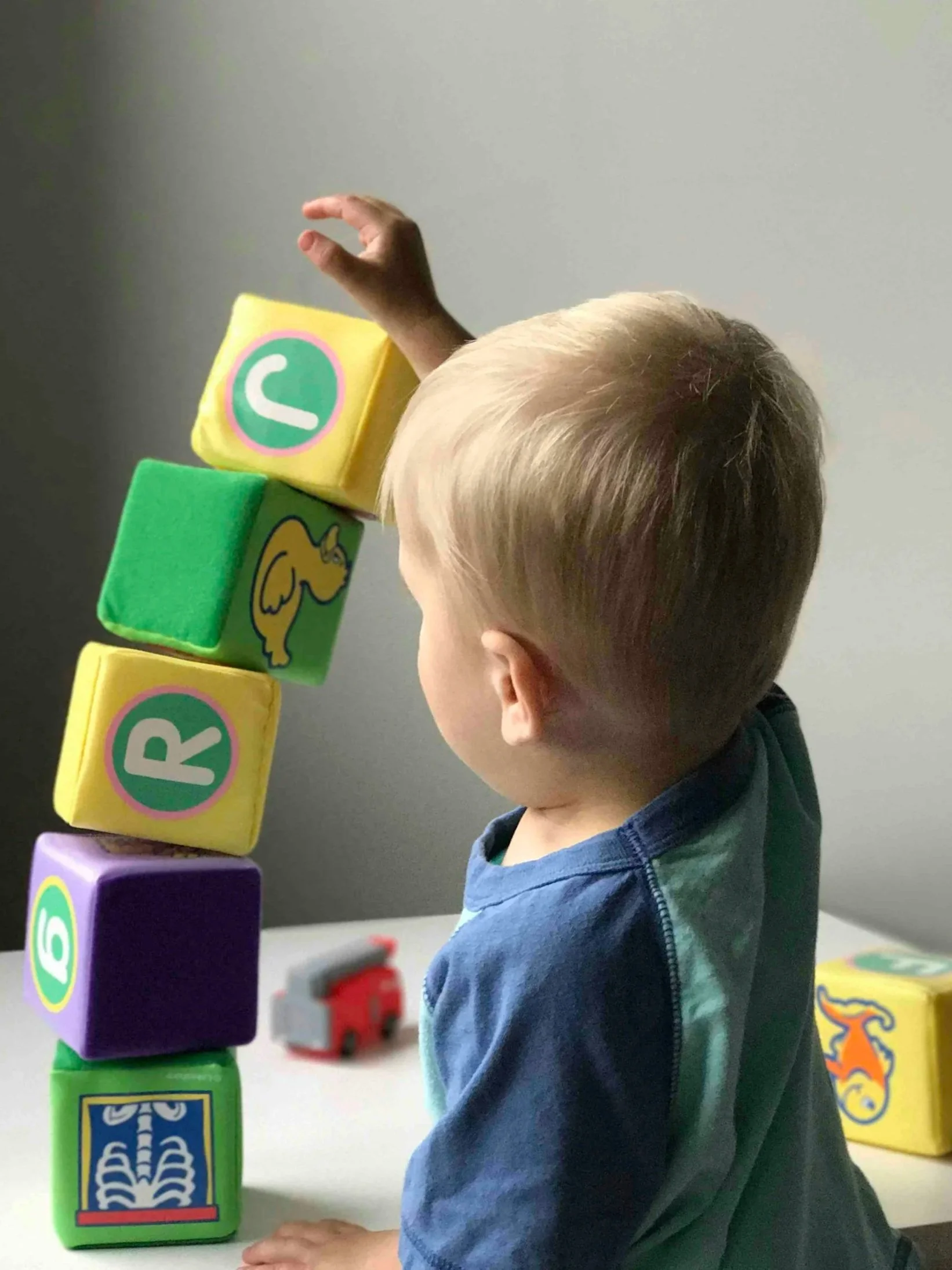
You don’t need checklists or tests, just a sense of how your child is moving through their world.
You might notice:
They’re curious about other children and want to join in.
They enjoy little routines, songs, tidy-up time, repeated games.
They can separate from you for short periods (though wobblies are normal!).
They’re eager to explore new places or activities.
They’re starting to express themselves with words, gestures or big feelings.
If some (not all) of these feel familiar, preschool may offer the perfect next step.
The Part No One Likes Talking About: Preschool Costs in Auckland
Let’s say it plainly: Auckland is expensive, and preschools reflect that.
But understanding how fees work can make everything feel less overwhelming.

What actually affects the cost?
Age group – Under-2s usually cost more due to lower ratios.
Days & hours you choose – Full days vs short days vary in price.
Centre location – City centres often have higher overheads.
What’s included – Food, nappies, trips, extra programmes, etc.
Preschools set their own fees, so costs vary widely. Instead of guessing, think of this as a partnership: you deserve clear numbers and zero surprises.
A helpful mindset shift
You’re not “being awkward” by asking about cost. You’re a parent making a thoughtful decision for your family’s future… and that deserves transparency.
Understanding 20 Hours ECE (Aged 3 to 5)
This is where the relief often kicks in.
Once your child turns 3, they’re eligible for 20 Hours ECE, up to 20 funded hours per week, maximum 6 hours per day.
Here’s what that means in real life:
Those hours reduce your weekly bill significantly.
You only pay for hours outside the funded block (each centre structures this slightly differently).
Some centres have optional charges to help maintain quality, these are explained upfront.
You can sometimes mix and match days, as long as the hours line up with the rules.
Many Auckland parents time their preschool start (or increase days) around this funding because it genuinely lightens the load.
The Childcare Subsidy: A Quiet Lifeline for Many Families
If you’re working, studying, or job-seeking, you may qualify for a Work and Income Childcare Subsidy.
It’s based on household income and can cover part of your fees for children aged 0–5.
Even if you think you won’t qualify, it’s worth checking—the thresholds surprise a lot of parents.
FamilyBoost: The Tax Credit That Can Reduce Preschool Costs by Up to 40%
If your child is under 5, there’s another support worth factoring into your preschool planning: FamilyBoost.
FamilyBoost is a childcare tax credit that allows eligible families to claim back up to 40% of their early learning fees, paid quarterly by Inland Revenue. It’s designed to support working families with the real cost of preschool and early childhood education, especially in high-cost cities like Auckland.
FamilyBoost doesn’t change what you pay the preschool week to week. Instead, you receive money back after you submit your invoices, which can make a meaningful difference to your overall budget over time.
(Because eligibility thresholds and caps can change, it’s always a good idea to check IRD’s current guidance. The examples below are illustrative, to help you picture how FamilyBoost might work for your family.)
What Could FamilyBoost Look Like in Real Numbers?
Let’s walk through a few simple scenarios to see how this support can shift your effective weekly costs.
Scenario 1: Full-Time Preschool, FamilyBoost Eligible
Weekly preschool fees: $295
FamilyBoost covers up to 40%
40% of $295 = $118
Effective weekly cost (over time):
👉 Around $177 per week, once the quarterly FamilyBoost payment is factored in.
That’s money many families use to offset rising living costs (from groceries to rent) while keeping their child’s routine stable.
Scenario 2: Part-Time Preschool, FamilyBoost Eligible
Weekly preschool fees: $180
40% of $180 = $72
Effective weekly cost:
👉 About $108 per week, after the credit.
This option often suits families easing into preschool or balancing part-time work, while still receiving meaningful financial relief.
A Quick Planning Checklist (So Your Brain Can Rest)
Before you contact a preschool, it helps to have:
Your ideal days/times per week
Your child’s birthdate (for funding timing)
A rough weekly budget
Any must-haves (parking, meals provided, outdoor space, cultural alignment)
A sense of how you want drop-off and pick-up to feel
Any curriculum or philosophy requirements, such as specific learning approaches, teaching methods, or developmental goals
This turns the enrolment chat from “Where do we even start?” into “Here’s what works for our life, can you match it?”
We also have an excellent blog on choosing the right preschool for you if you’d like some more info.
Ready to Make a Plan That Fits Your Family?
You don’t need perfect information, you just need a place willing to walk through it with you.
At Sugartree Lane Preschool, you’re welcome to bring every question, every worry, and every “this might sound silly but…” moment. We’ll map out fees, funding, start age and a plan that feels genuinely manageable—not stressful.
Take the first step:
Book your visit → HERE
Your child’s preschool years should feel exciting, not confusing. Let’s make this next chapter a calm, confident one for your whānau.
